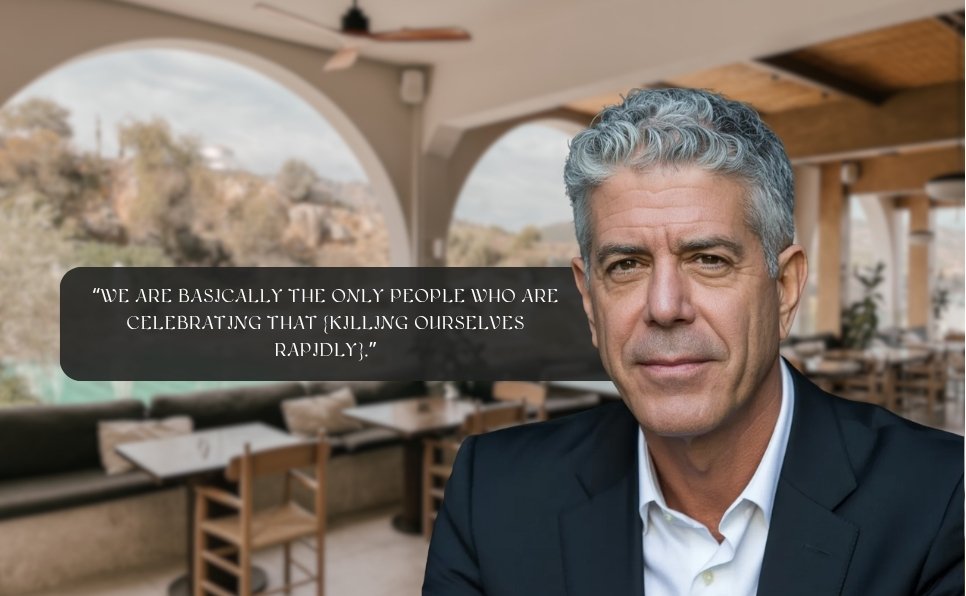
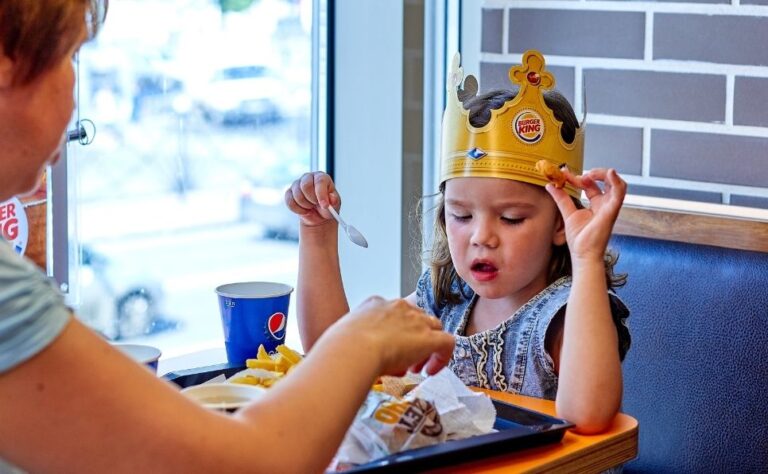
The late chef Anthony Bourdain (No Reservations) was unafraid to talk trash about food. While he eagerly plunged into cuisines worldwide, American fast food attracted his fiercest ire. He called it no less than scandalous and shocking. In an interview for National Geographic, Bourdain stated that fast food “reflected” worse problems in society rather than habitual poor decision-making.
“Oh yes, there’s lots of great food in America. But fast food is as destructive and evil as it gets. It celebrates a mentality of sloth, convenience, and an embrace of food we know is hurting us.”
Some seriously ruthless KFC Double Down and Cinnabon and deep-fried macaroni and cheese annihilation, courtesy of Bourdain. He called those things nothing less than stadiums filled with rapidly dispersing cancer. When speaking to Time, he highlighted the reliance that American restaurants have on immigrant labor — particularly undocumented immigrant labor — saying that they are the true backbone holding everything up.
He blamed fast food for destroying classical eating patterns. Gone were family dinners, replaced by meals on the run. Societies began to become more insular, and shared culinary rituals started to disappear. More than the sandwiches or greasy pizzas, what disturbed Bourdain the most was the way fast food exemplified and worsened an economy untroubled by health, tradition, and simple human interaction, but instead, punctuated with profit margins and rapid-fire speed lines.
But a great deal about American food still commands his respect. He regularly sang the praises of the best local ingredients and producers. But his most amped-up words were always kept for food delivered through a drive-thru window. Fast food, he saw as “as evil and destructive a rabbit hole as exists,” and he related it straight to much larger societal failures.
Read More
Once in a while, he’d score an Animal Style burger from In-N-Out and own it, gleefully. He was realizing the hypocrisy in his own actions. After all, all of us had our cravings, including him. That honesty helped to amplify the gravity of his criticisms. Bourdain was not dogmatic about it. He knows how convenience and temptation tug at all of us. Nevertheless, he continued to encourage people to go out to local restaurants rather than large chains. He was giving up some convenience in exchange for food that he said tasted better.
At no point was taste the crux of Bourdain’s fast-food complaint. Its immense popularity he viewed as evidence of “a mindset of comfort, a mindset of lethargy, and a warm welcoming of the foods we know are bad for us.” He made it simple in Kitchen Confidential: “I’m all for killing yourself with food — if it’s good. But this? It’s not.”
Those who defend fast food typically cite its affordability and the aid it provides for families that have little time or money. Opponents say the chains provide jobs and are informal meeting places that embody American creativity. As Patrick Radden Keefe pointed out in The New Yorker, Bourdain’s No Reservations and Parts Unknown dug into corners of the world one plate at a time, and helped talented and picturesque cooks gain attention. You can see some of those positives that even Bourdain himself acknowledges. But he believed the dangers went much deeper. This is the reason fast food remains so ingrained in the clockwork of daily life in America.
It also irritated him when bars used low-cost gimmicks to shove random people together. It was the type of place his fledgling shunned; places like New York’s Remote Lounge, built around video chat as the central attraction.
He was after good tunes and zero pressure to socialize — that was his requirement for a bar. It had everything he loathed: video booths with bad reception, menus with punny names, and even a surly bouncer, as the Remote Lounge, which was open from 2001 to 2007, does. None of the things about the place that he learned confirmed anything he did not already believe. Instead, gimmicks cannot fix a bad bar into a good one.